
Policymakers, private-sector leaders, economists, and development partners reveal that Nigeria must take more proactive measures to translate policy into action to sustain gains and economic growth.
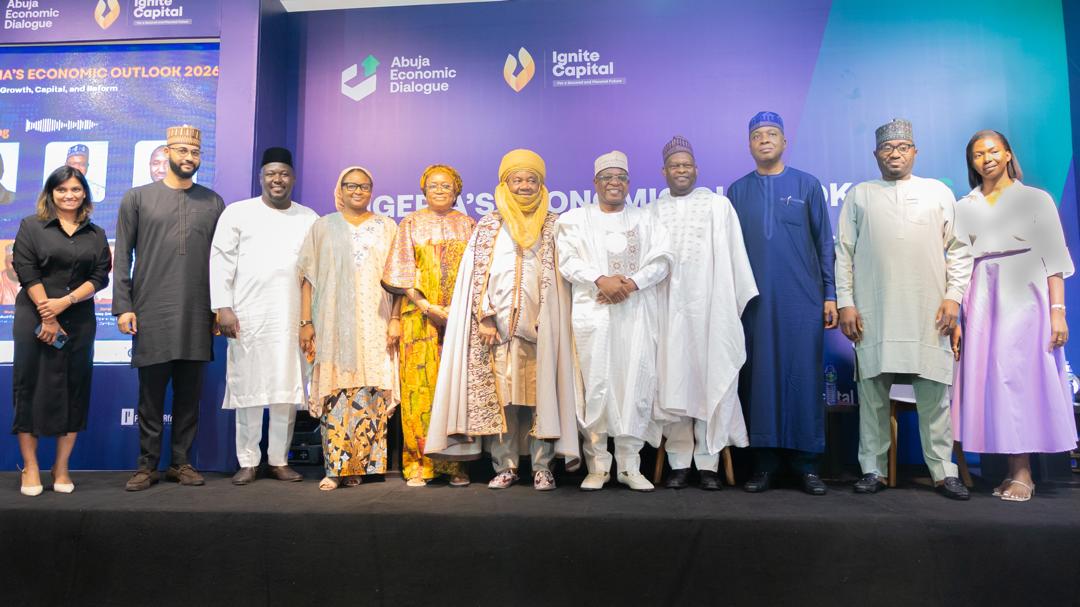
They said this during the launch of the Ignite Nigeria Economic Outlook 2026, which took place on Wednesday at Fraser Suites, Federal Capital Territory, Abuja.
The event convened by Ignite Capital Ltd and the Abuja Economic Dialogue was themed “Navigating Growth, Capital and Reform”.
In his opening remarks, Kyari Abba Bukar, Convener of the Abuja Economic Dialogue and Chairman of Ignite Capital, stated Nigeria needs to move from policies to stable and impactful execution.
“We need to move from policies to stable and impactful execution. The Abuja Economic Dialogue is committed to fostering data-driven conversations among policymakers and private-sector actors, and we must create, sustain, and engage more platforms like this,” Bukar said.
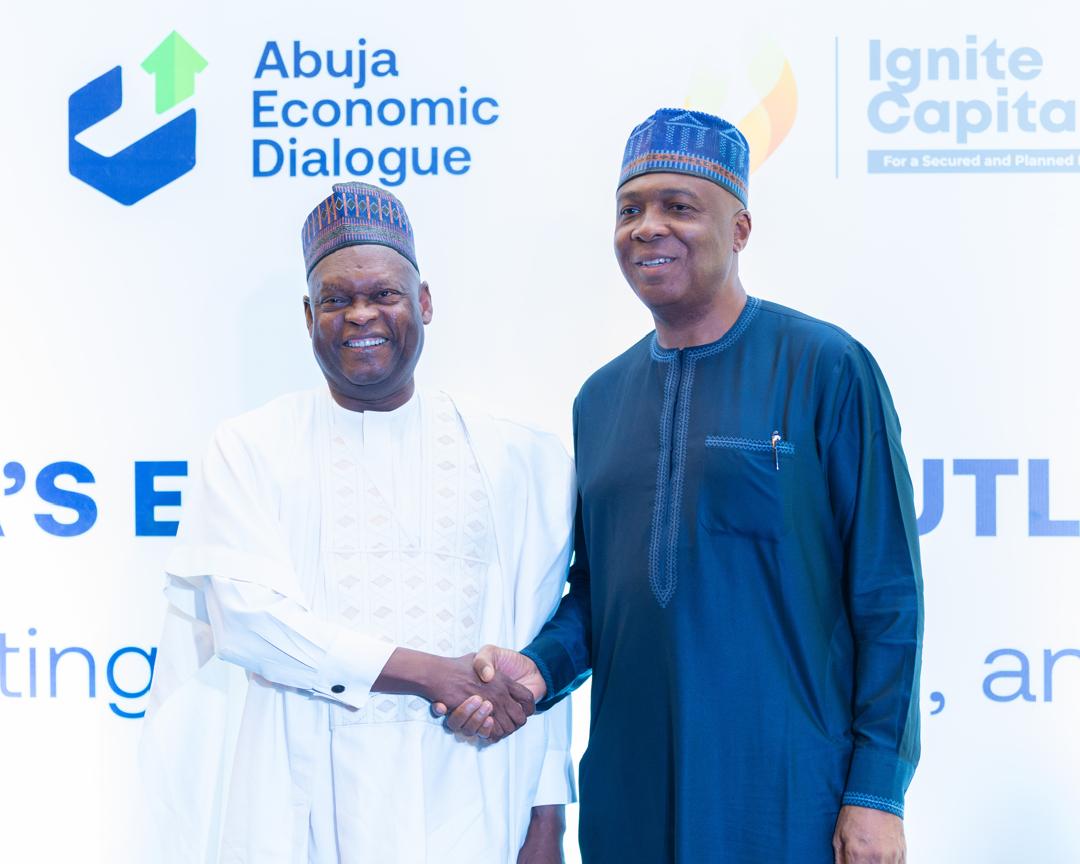
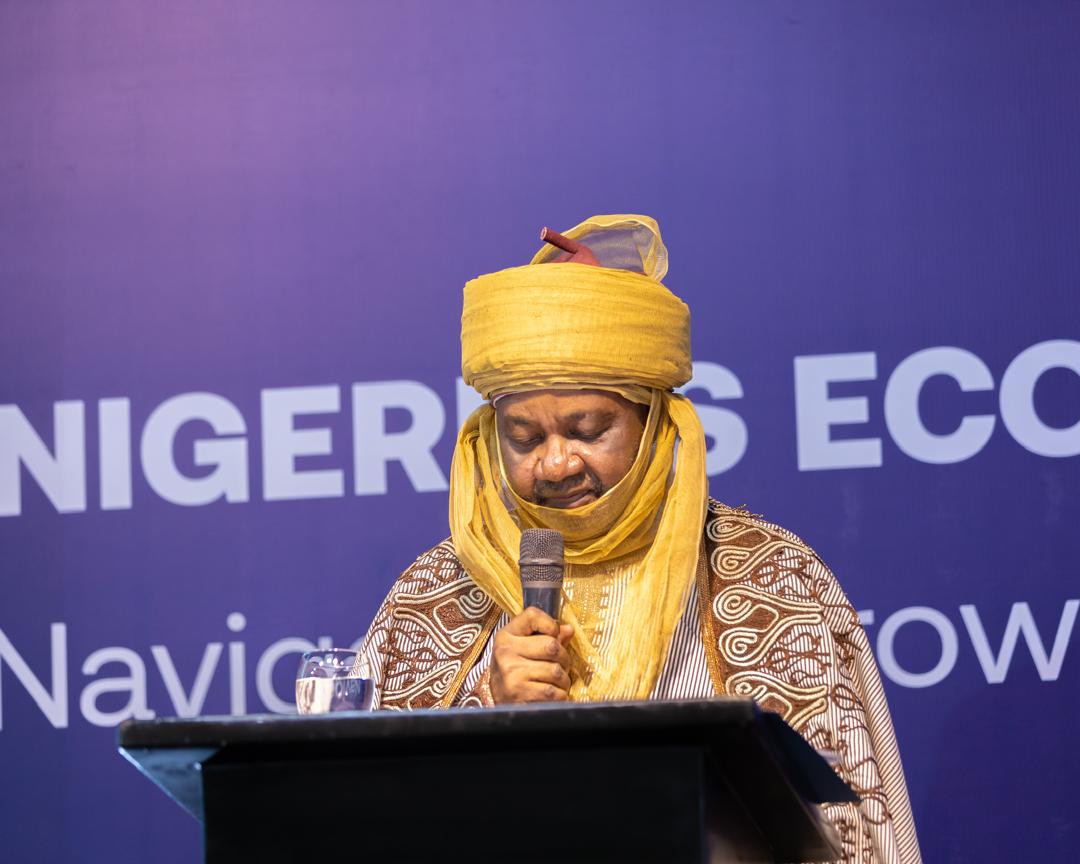
Former Vice President of Nigeria, Arc. Namadi Sambo (GCON), delivering his keynote address, hailed the Outlook for its analytical depth and stressed the urgency of consolidating Nigeria’s recent macroeconomic reforms.
“Nigeria stands at a pivotal point characterised by both significant challenges and considerable potential.
“We must reflect on the report’s five priority themes: Productivity and Structural Transformation, Power and Infrastructure Renewal, Technology and the Digital Economy, Intra-African Trade under AfCFTA, and Security, Food Systems, and Social Protection,” he said.
Speaking further the former Vice President, highlighted the country’s progress in key economic areas, while calling for accelerated implementation of reforms to drive growth.
He commended the Tinubu-led administration on the implementation of state-owned power generation and distribution companies, as well as the completion of several mobile sub-stations to improve transmission capacity.
“Nigeria has also made progress in FX reforms, inflation, digital services, and external reserves. However, we must accelerate implementation, make bold investments in renewable energy, deepen regional trade participation, and strengthen our security architecture,” he added.
On his part, Abubakar Bukola Saraki, former Senate President, cautioned that reforms must translate into tangible improvements in the quality of life for Nigerians.
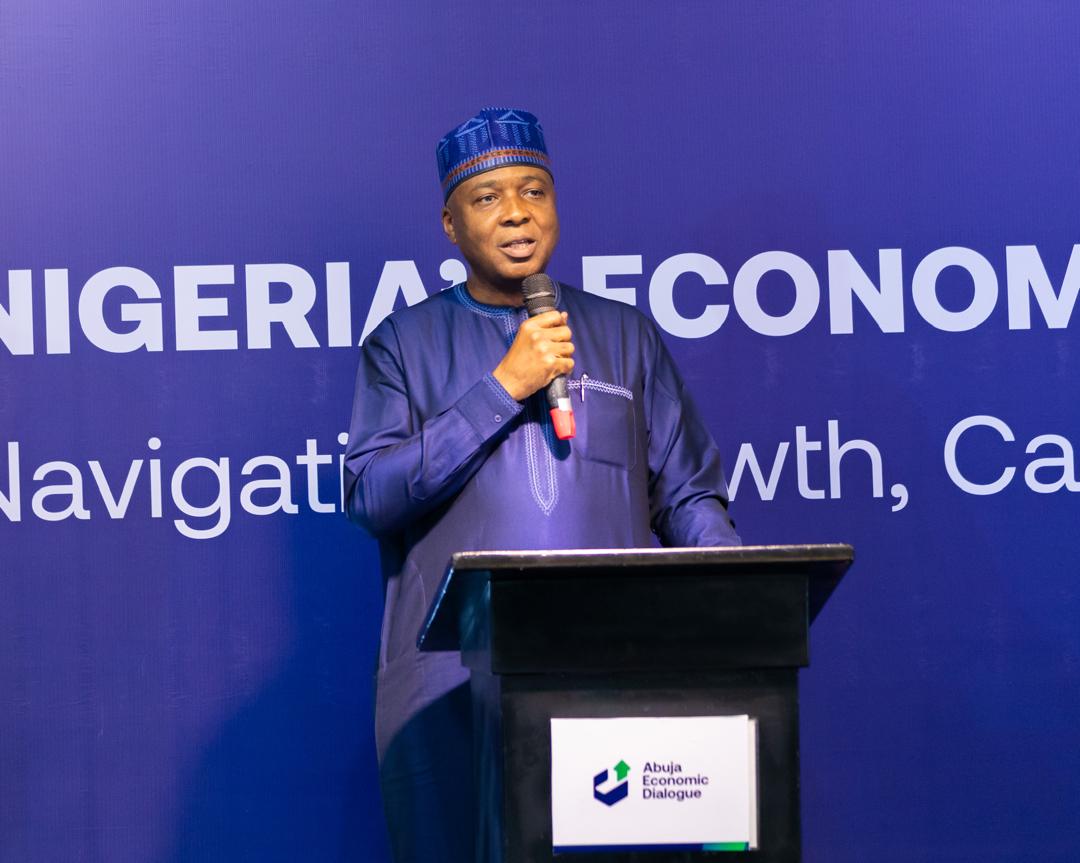
His words, “The question is not whether economic reform was necessary—it was. The real test is whether the difficult choices on subsidy, foreign exchange, and fiscal adjustment can now translate into inclusive growth that improves the daily lives of our people.”
Dr. Paul Arinze, President, Pedestal Africa, presented an economic review of 2025 and the outlook for 2026, highlighting three possible scenarios for Nigeria’s economic growth.
These include “Upside Scenario – Broad-based recovery (GDP: 4.7%–5.1%), driven by improved security in food-producing regions, accelerated power reforms, more substantial investor confidence, and higher oil output.
“Baseline Scenario – Cautious stability (GDP: 4.0%–4.2%), where Nigeria experiences slow but meaningful relief as inflation moderates (19–20%), FX markets remain stable, and services continue to expand.
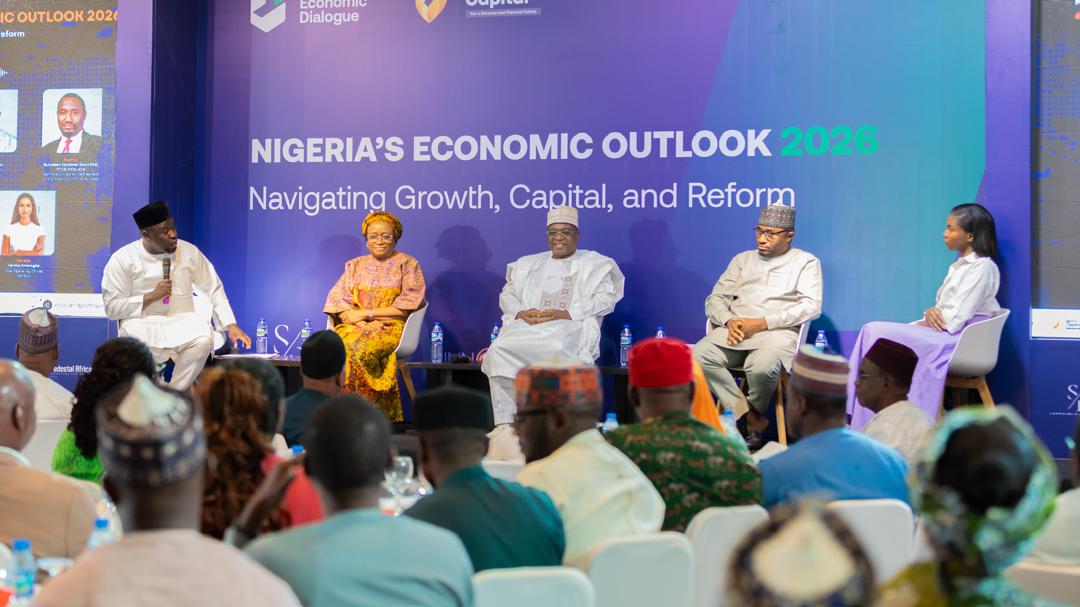
The event also featured a panel discussion, moderated by Fahad Garba Aliyu, Managing Partner at Ignite Capital, with experts who stressed the need for consistency in reform execution, investment in transmission and last-mile infrastructure, digital inclusion and fintech regulation, scalable SME financing, strengthened capital markets, and human capital development for the AI-driven future.
The panelists included Dr. Sarah Alade, Former Deputy Governor, CBN; Dr. Umaru Kwairanga, Chairman, NGX Group; Dr. Nurudeen Zauro, TA to the President on Economic & Financial Inclusion; and Yanmo Omorogbe, COO, Bamboo.
“And finally downside scenario – Reform slippage (GDP: 2.3%–2.7%) triggered by oil price shocks, FX reversals, renewed insecurity, or external tightening.”